Tech valuations, macro headwinds, and global sentiment weigh on markets — here’s what traders and investors should know.
1. How Poor Is the Beginning? Key Insights
The U.S. stock market opened the month with a clear warning signal — major indexes recorded
their worst monthly start since April. This downturn underscores rising investor anxiety
over valuations, growth prospects, and global confidence.
Key drivers behind this weak start include:
- Tech pressure: Overheated AI valuations are driving corrections across the sector.
- Macro worries: Ongoing trade tensions, rising interest rates, and weaker economic data add stress.
- Timing factor: Historically, a poor start to the month often hints at trend reversals or wider volatility.
2. What’s Causing the Weakness?
(A) Tech and AI Valuation Pressure
Many of the same technology giants that powered earlier rallies are now under scrutiny.
Growth expectations may not justify their stretched valuations, triggering sell-offs.
Reports indicate an $800 billion AI sector sell-off as investors reassess risk.
(B) Global and Macro Headwinds
Cracks are appearing in U.S. economic strength. Investors now expect higher rates for longer,
while global supply chains, trade disputes, and geopolitical uncertainty add further pressure.
(C) Weak Market Breadth
When only a few mega-cap names drive the market, smaller stocks suffer.
Weak breadth indicates declining confidence and possible rotation away from growth sectors.
(D) External Shocks and Surprises
Sudden policy announcements, tariffs, or economic data surprises can spark large moves.
A build-up of such factors may be triggering this broad shift in sentiment.
3. Why It Matters to Indian and Global Investors
- Capital flows: Risk aversion in the U.S. often prompts foreign funds to pull money from emerging markets like India.
- Sentiment link: U.S. trends influence global confidence — a weak Wall Street can dampen Indian market optimism.
- Sector impact: Indian IT and export-oriented firms are sensitive to U.S. demand and dollar strength.
- Diversification reminder: Investors must ensure balanced exposure across regions and sectors to reduce global correlation risk.
4. Pressured Sectors — and Those to Watch
Under Pressure:
- Technology and AI-driven firms with inflated valuations.
- Export-linked industrials facing currency and demand headwinds.
- Consumer discretionary sectors hit by potential spending slowdowns.
Relatively Safer Zones:
- Defensive sectors like utilities and consumer staples.
- Domestic-focused emerging markets less reliant on U.S. consumption.
- Fixed income and government bonds as potential hedges.
5. What Traders Need to Do Right Now
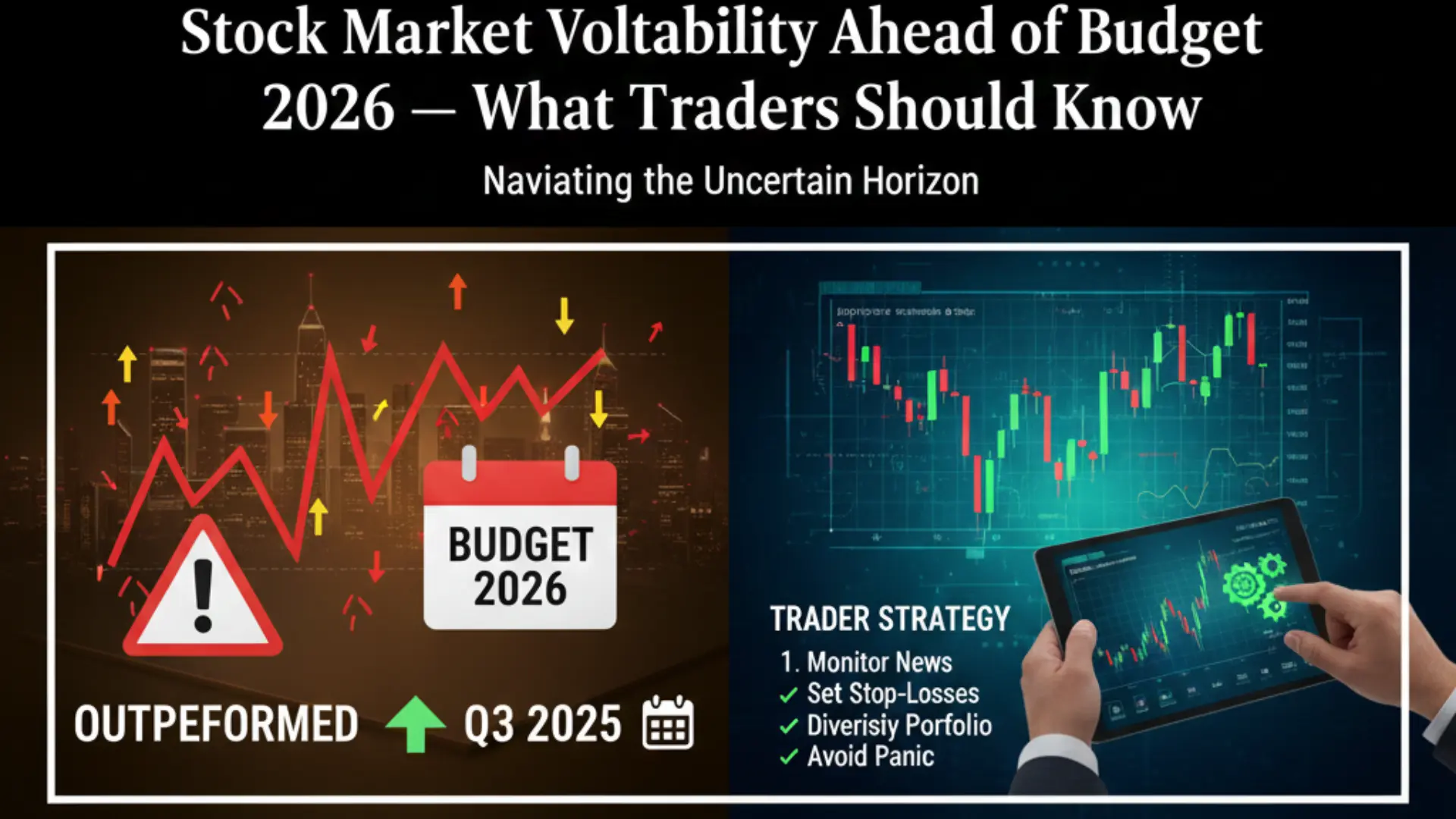
- Monitor support zones: Key technical levels on indexes like the S&P 500 and Nasdaq can indicate potential continuation or reversal.
- Use stop-loss orders: Volatility is high; strict risk management is essential.
- Trade smaller: Reduce position sizes to navigate uncertain trends safely.
- Watch for rebounds: Emerging markets like India may outperform once U.S. markets stabilize.
- Diversify geographically: Avoid excessive exposure to U.S. tech; explore domestic and Asia-Pacific opportunities.
6. Advice for Long-Term Investors
- Stay invested but review allocations: A correction doesn’t mean an exit — ensure your portfolio remains globally balanced.
- Focus on fundamentals: Invest in companies with consistent earnings and resilient business models.
- Avoid panic selling: Short-term declines often present opportunities rather than threats.
- Deploy selectively: Gradually allocate capital into under-owned value or cyclical sectors.
- Use global pullbacks wisely: Corrections can be good entry points for quality assets at attractive prices.
In summary, the U.S. market’s weak start may spark near-term volatility,
but it also reminds investors of the importance of discipline, diversification,
and patience. Whether you’re a trader or long-term investor, strategic risk management
and global balance remain the keys to navigating uncertain times.