Simple explanations, asset impacts, RBI role, and practical steps to shield your portfolio from rising prices.
What is Inflation?
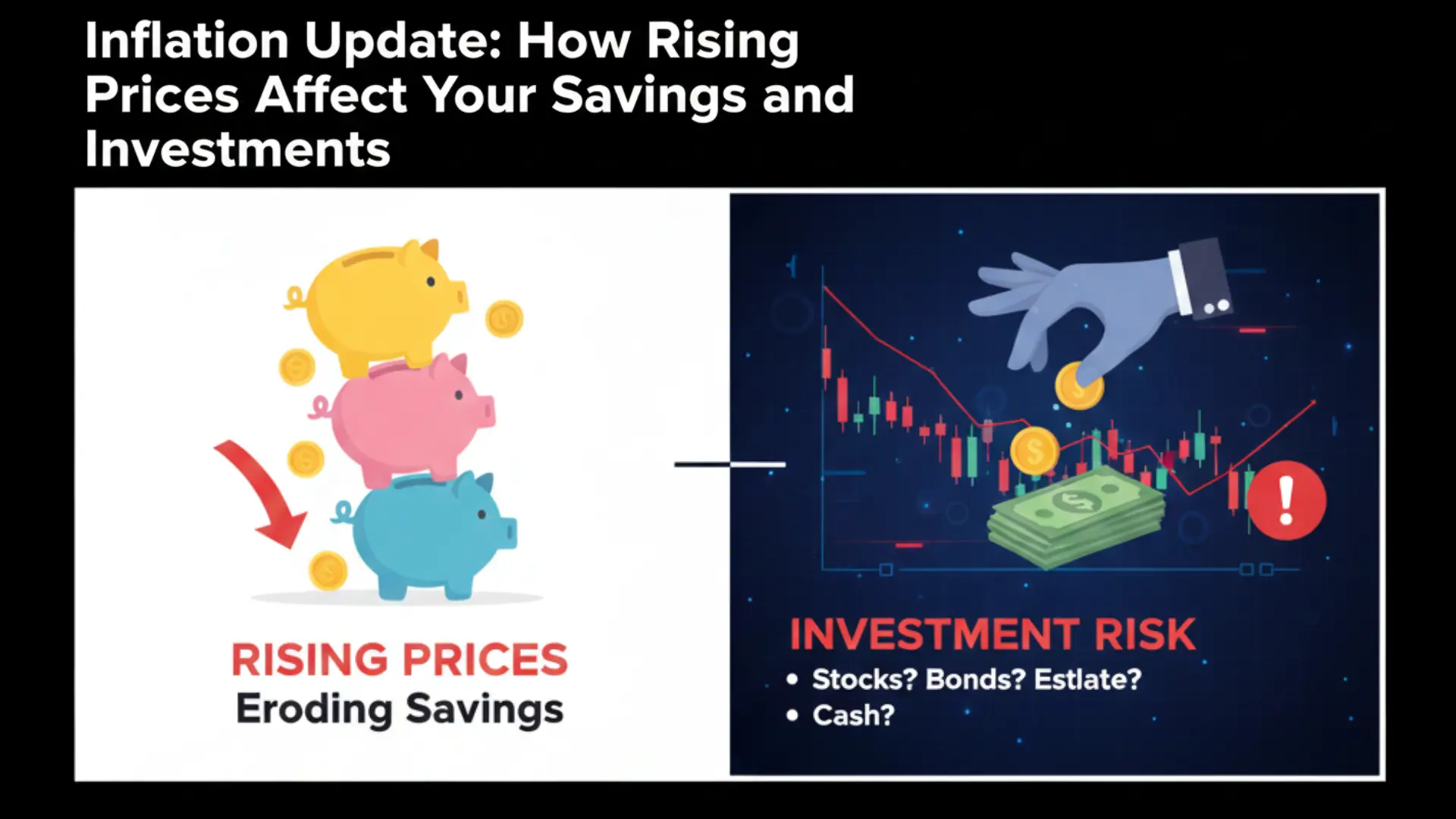
Inflation is the sustained rise in the average price level of goods and services over time. It erodes the purchasing power of money — meaning a fixed sum today will buy less tomorrow. For example, at a 6% inflation rate, an item costing ₹1,000 today would cost about ₹1,060 next year.
India’s Inflation Snapshot (2025)
In 2025 retail inflation in India has been around 5.4%, slightly above the RBI’s comfort target of 4%. Food inflation (pulses, vegetables) remains the primary concern, while stable crude prices and a normal monsoon could ease pressure in H2 2025.
How Inflation Erodes Your Savings
Nominal returns (the interest you see) must be adjusted for inflation to get the real return. Example: if your fixed deposit pays 6% and inflation is 5.5%, your real return is only 0.5%. Over time, high inflation can significantly reduce the real value of money parked in low-yield instruments.
Winners and Losers: Asset Behavior During Inflation
1. Equities (Stocks)
Stocks can be a good hedge over the long term because companies can pass higher costs to customers. Sectors with pricing power — FMCG, energy, banks and some commodity-linked industries — often fare better than export-oriented or margin-sensitive sectors.
2. Gold
Gold traditionally performs well during inflationary or uncertain times. In 2025 gold reached strong levels as investors sought a store of value.
3. Real Estate
Property values often appreciate with inflation, though higher interest rates can temporarily dent demand. Long-term investors may still find real estate a useful inflation hedge.
The RBI’s Role in Fighting Inflation
The Reserve Bank of India uses tools like the repo rate and cash reserve ratio (CRR) to control inflation. When inflation rises, RBI may increase rates to reduce liquidity and slow demand. In 2025 the repo rate is at 6.5%, reflecting RBI’s cautious focus on price stability while supporting growth.
Impact on the Stock Market
Higher inflation often leads to higher interest rates, which can pressure valuations and corporate profits. Mild inflation (<6%) is often manageable and can be positive for sectors like infrastructure, banking and commodities. Investors should prefer companies with low debt, strong pricing power and resilient cash flows.
- Retail inflation (CPI) — current trend and drivers
- RBI repo rate and monetary policy statements
- Food and fuel price trends (largest contributors to CPI)
How to Protect Your Money from Inflation — 5 Practical Steps
- Diversify across asset classes: Combine equities, gold, real estate (direct or REITs), and selective fixed income to balance risk and returns.
- Choose inflation-beating investments: Equity mutual funds, index funds, and quality individual stocks can outpace inflation over time.
- Use SIPs for discipline: Systematic Investment Plans (SIPs) smooth market volatility and harness the power of compounding — a strong tool against inflation erosion.
- Avoid idle cash: Keep an emergency buffer (3–6 months expenses) in liquid instruments and invest surplus in higher-return assets.
- Review and rebalance annually: Revisit your allocation at least once a year and adjust for changing inflation expectations and life goals.
Asset-Specific Tips
- Equities: Prefer companies with pricing power, low leverage and strong brands.
- Gold: Consider Sovereign Gold Bonds (SGBs) or ETFs for long-term exposure without physical storage issues.
- Fixed income: Use short-duration debt or inflation-indexed products to reduce interest-rate sensitivity.
- Real estate: Focus on affordable housing and locations with strong demand drivers for long-term appreciation.
Final Word
Inflation is a persistent economic force that affects savings and investment outcomes. While it reduces the real value of idle cash, a well-diversified, long-term investment plan — anchored in equities, selective real assets and disciplined SIPs — can outpace inflation and preserve wealth. Keep an eye on RBI policy, food and fuel trends, and rebalance your portfolio periodically to stay ahead of rising prices.