Why India’s Markets Are Struggling to Reach New Highs in 2025
Strong GDP, digital transformation and infrastructure spend — yet Sensex & Nifty 50 lack momentum. Here’s why.
Overview
India’s economy continues to grow among the fastest globally — driven by digital transformation, heavy infrastructure spending and robust domestic demand. Yet in 2025, major stock indexes such as the Sensex and Nifty 50 are struggling to make fresh highs despite healthy corporate earnings and sound macro fundamentals.
This article breaks down the key reasons for this slowdown and provides the SEO keywords you can use for better search visibility.
1. Global Uncertainty & Interest Rate Worries
One of the primary drivers behind the market’s muted performance is global uncertainty. Inflation remains an active concern for the U.S. Federal Reserve and other major central banks. As global interest rates rise or stay higher for longer, investors grow cautious about emerging markets — including India.
When U.S. bond yields climb, foreign institutional investors (FIIs) often reallocate capital from equities in emerging markets to safer assets like U.S. Treasuries. These FII outflows cause short-term volatility in Indian equities.
SEO keywords: Global interest rates, US Fed policy, FII outflows from India, Indian stock market 2025.
2. Valuation Pressure — Are Indian Stocks Too Expensive?
India’s market valuation remains elevated versus many international peers. The P/E ratio of the Nifty 50 is still higher than comparable markets — for example, certain U.S., Chinese or South Korean benchmarks. High relative P/Es reduce India’s attractiveness for global investors seeking cheaper alternatives.
Consequently, FIIs can rotate into lower-valued markets while domestic investors continue with SIPs and buy-and-hold strategies.
3. Growth Is Largely Priced In
India’s GDP growth is expected to remain strong (above ~6.5% in many projections). Key sectors — banking, infrastructure and technology — show robust fundamentals. However, market prices have already baked in a good portion of this optimistic outlook.
Investors are therefore waiting for fresh catalysts — such as major policy reform, government stimulus, surprise earnings beats, or global liquidity easing — before pushing indices to new records.
4. Global Slowdown & Geopolitical Risks
Heightened geopolitical tensions (e.g., Middle East developments and China–Taiwan concerns) and fears of a slowdown in the U.S. & Europe have lowered global risk appetite. Even though India remains a favorable long-term destination, it is not immune to global sentiment, which can trigger profit-booking in the short term.
5. Inflation & RBI’s Cautious Monetary Stance
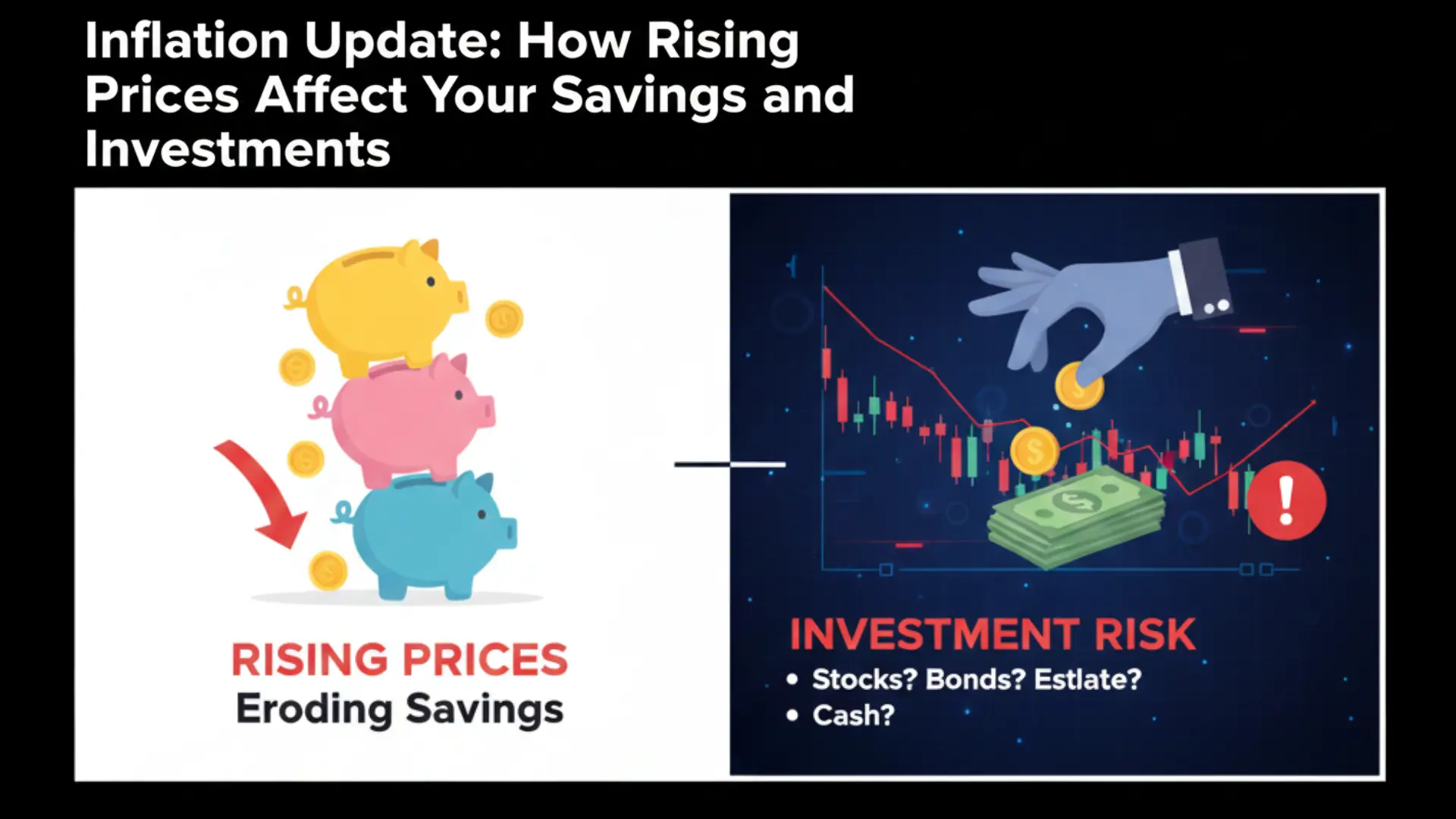
The Reserve Bank of India (RBI) has focused on controlling inflation and maintaining price stability. While the repo rate may be steady, RBI’s cautious stance limits aggressive liquidity expansion. Less easy money in the system dampens fresh speculative flows into equities and keeps some investors on the sidelines until signs of easing appear.
6. The FII vs Domestic Investor Dynamic
Domestic investors (mutual funds, retail SIPs) continue to provide steady support, but FIIs still drive large swings in liquidity and sentiment. A sustained FII comeback—triggered by lower global rates or improved risk appetite—could power the next leg up. Until then, the market may oscillate between consolidation and episodic rallies.