Foreign Investors Return to Indian Markets: FIIs Fuel Banking and Financial Stock Rally
The Indian stock market is seeing a significant resurgence of foreign investors following months of cautious trading and withdrawals. Foreign Institutional Investors (FIIs) have once again become net buyers, according to recent data from the National Securities Depository Limited (NSDL), indicating a resurgence of trust in India’s financial sector and economic stability.
This article examines the reasons behind the return of foreign investors, the surge in financial stocks, and the effects of this trend on Indian traders and long-term investors.
1. The Foreign Investors’ Return
Global uncertainties, including rising U.S. interest rates, inflation worries, and geopolitical tensions, had caused FIIs to go on a selling binge in recent quarters. However, the trend is currently turning around.
In the past two months alone, FIIs have invested over ₹30,000 crore in Indian stocks, according to the most recent data. This marks one of the most robust periods of foreign inflow since the beginning of 2023.
What changed, then?
The primary causes are as follows:
- India’s strong macroeconomic foundation: Strong manufacturing figures, low inflation, and GDP growth above 7% have made India stand out globally.
- Political stability: Investor confidence is increasing due to policy continuity prior to the general elections in 2026.
- Attractive valuations: Following a brief correction, Indian markets now offer a better risk-reward ratio than many international counterparts.
2. The Factors That Make Financial Stocks the Best Choice
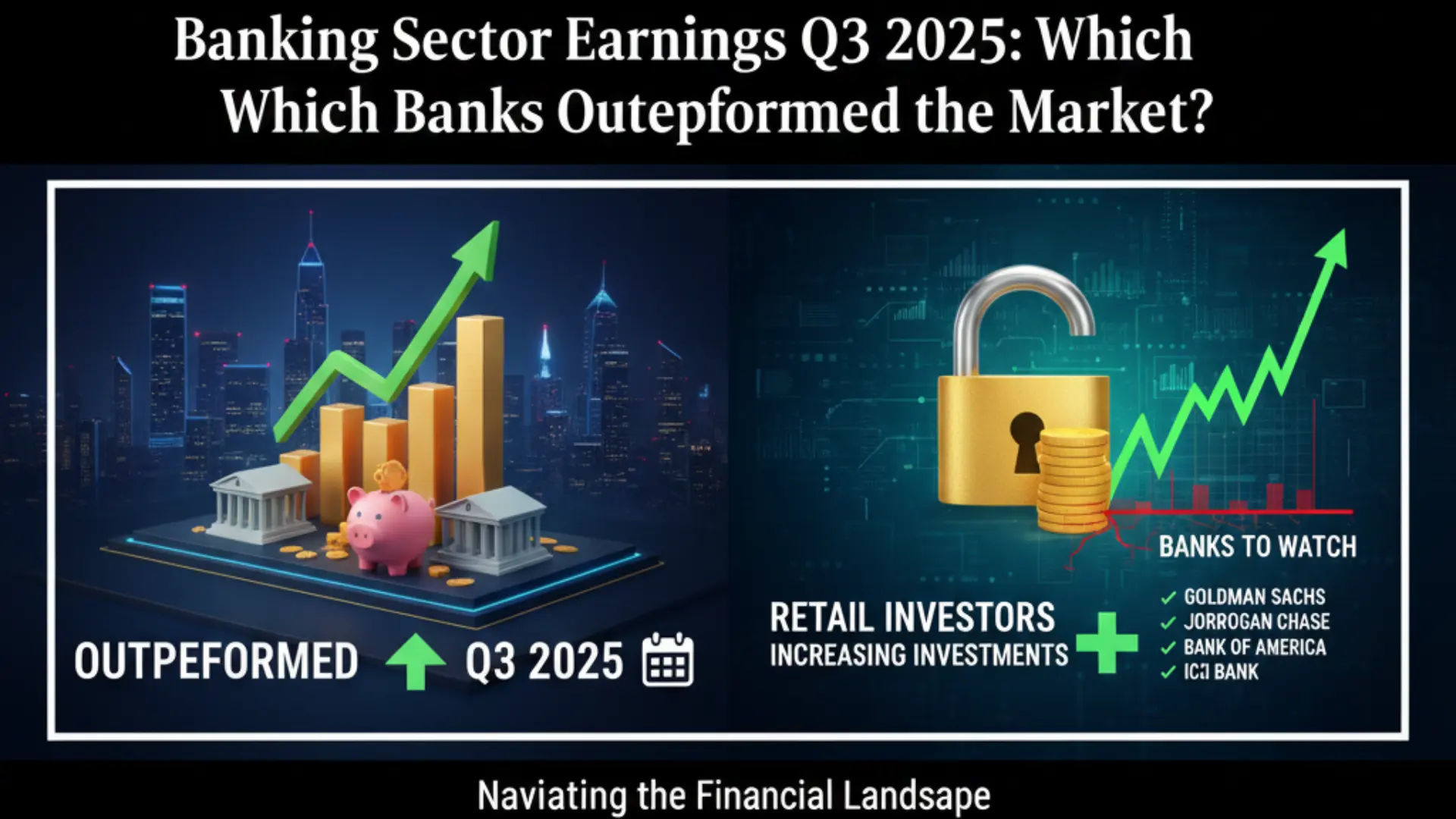
Among all the sectors, FIIs currently prefer financial and banking stocks the most. Leading banks like Kotak Mahindra Bank, Axis Bank, SBI, ICICI Bank, and HDFC Bank have seen strong inflows.
This is the cause:
- Credit growth: Demand for retail, housing, and MSME loans continues to remain strong.
- Improvement in asset quality: NPAs are at multi-year lows, showing improved discipline.
- Increasing interest margins: Wider spreads between lending and deposit rates are boosting bank earnings.
- Digital transformation: Fintech partnerships and digital banking adoption have made Indian banks globally competitive.
3. India Remains the Favourite Among Emerging Markets for FIIs
While countries like China, Brazil, and South Korea face political instability and slowing growth, India remains a bright spot in Asia.
Global brokerage firms such as Goldman Sachs, Morgan Stanley, and JP Morgan have all listed India as their top overweight market for 2025–2026.
With strong domestic consumption, a growing middle class, and stable policies, India has become the “go-to market” for global funds seeking growth and stability.
4. The RBI’s and the Stable Rupee’s Role
The Reserve Bank of India (RBI) has played a key role in maintaining stability. Despite global rate hikes, the RBI has managed to keep inflation in check and ensure adequate banking liquidity.
Another major factor driving FII confidence is the stable Indian Rupee. Unlike other emerging market currencies that depreciated sharply, the Rupee’s resilience provides assurance that currency volatility won’t erode returns.
5. Support from Domestic Investors Continues
The rally is being fueled not just by foreign investors but also by domestic institutional investors (DIIs) such as mutual funds. Even when FIIs were selling, DIIs continued to buy Indian equities.
This dual participation has made Indian markets remarkably resilient. Benchmarks like the Sensex and Nifty have shown exceptional stability even during global corrections.
The combination of foreign inflows and domestic confidence is creating a strong foundation for sustained market growth.
6. The Performance of Financial Stocks
Here are the numbers:
- The Nifty Bank Index has risen by over 15% in the last six months.
- Private banks like ICICI Bank and HDFC Bank are among the leading gainers.
- Public sector banks (PSBs), including SBI and Bank of Baroda, have also shown strong earnings growth.
FIIs believe that India’s improving credit cycle and low default risks will ensure that financial stocks continue to outperform in the coming quarters.
7. The Market’s Prospects for 2025
Experts agree that India will remain a major growth engine in the global equity landscape.
Here are a few projections:
- Morgan Stanley: By 2026, India is expected to rank among the top three global markets for equity returns.
- Goldman Sachs: Forecasts over $25 billion in foreign inflows over the next 12 months.
- Nomura: Refers to India as the “new China” for global investors.
Key growth sectors: Manufacturing, infrastructure, and financials — with financials likely to remain the leading driver due to strong domestic credit demand.